
Residents can view inspection reports completed by Toledo-Lucas County Health Department inspectors, with the various programmatic inspection reports organized by their respective programs within the drop-down menus below.
An inspection report is a “snapshot” of the day and time of the inspection. On any other day, an establishment could have fewer or more violations than noted on the day of the report. An inspection report may not be representative of the overall, long-term conditions within a operation.

Restaurants and food establishments are inspected for compliance with Ohio’s Uniform Food Safety Code, including proper food storage, handling, preparation and serving.
Restaurant & Food Inspection Reports
Reports prior to May 28th, 2026: HealthSpace
Explanations of terms used in inspection reports:
License Types: There are four possible “risk” levels of food licenses. The level is assigned based on the relative risk associated with how the business operates. Level one is the lowest risk and level four is the highest.
Risk Level 1 Commercially prepackaged non temper controlled for safety (TCS) food/beverage or fountain beverages.
Risk Level 2 Holds foods including TCS foods at the temperature in which they were received. Open, ready-to-eat foods.
Risk Level 3 Assembles, cooks, and holds TCS foods. Processes raw foods, cuts or slices ready-to-eat meats and cheeses.
Risk Level 4 involves the greatest risk because it may involve serving raw, ready-to-eat potentially hazardous food; serving food to a primarily high-risk clientele, or preparing food which requires multiple temperature controls to preclude bacterial growth.
Inspection Types:
Standard Inspection: Required unscheduled inspection that is conducted 1 to 2 times a year based on risk level. All areas of the facility will be inspected to ensure compliance with regulations.
Critical Control Point Inspection (CCP): This type of inspection is conducted in a level 4 food service operation. It focuses on tracking all potentially hazardous food items from arrival to consumption.
Process Review Inspection (PR): This inspection is conducted in a level 4 retail food establishment to determine that all procedures are being conducted according to Chapter 3717 of the Ohio Administrative Code.
Complaint Inspection: This is an inspection conducted as a result of a complaint received by Toledo-Lucas County Health Department. The complaint will be investigated and the results of the inspection and investigation will be discussed with the operator of the facility.
Violations:
Critical Violation: These are violations that if left uncorrected, are more likely to contribute to foodborne illness. Examples of critical violations include improper cooking temperatures and improper holding temperatures.
Non-Critical Violation: These are violations that are not directly related to the cause of foodborne illness. Examples of non-critical violations include maintenance and cleaning issues.
Potentially Hazardous Food (PHF) or Time/Temperature Controlled for Safety Food (TCS): These are foods which require temperature control. This includes meats that are raw or cooked, cooked vegetables, raw seed sprouts; or cut melons. All TCS food must be held at 41 °F or below or at 135 Degrees Fahrenheit or above. The area between is often referred to as the “Danger Zone”. This is the temperature range that allows certain bacteria to multiply rapidly.
Ready-To-Eat: Food items that are ready-to-eat are items that do not require washing, cooking.
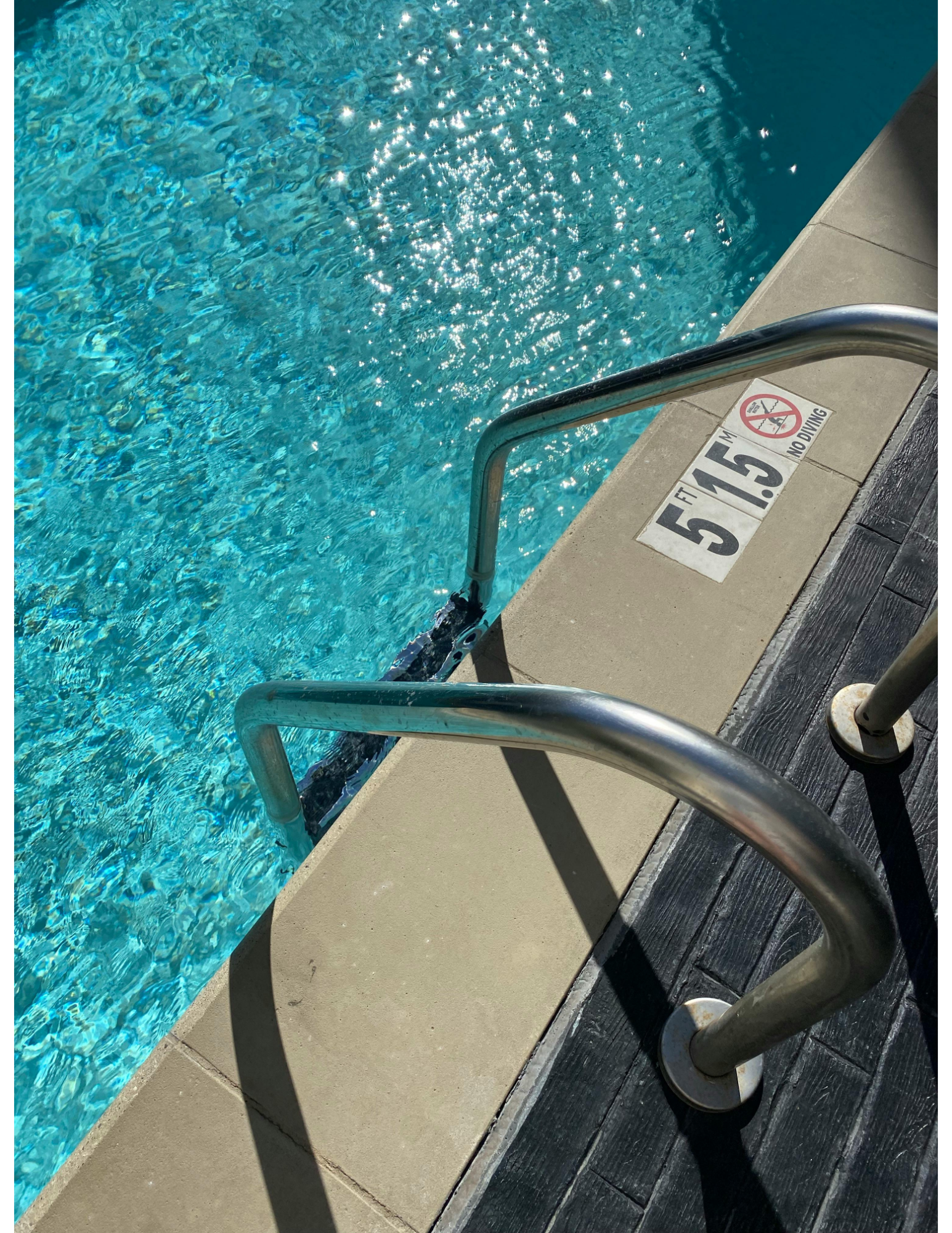
TLCHD licenses and inspects all public swimming pools, wading pools, special use pools, spas/hot tubs, and spray grounds within the county. We inspect the operation, safety, and maintenance of items, as well as water quality parameters of clarity, alkalinity, chlorine levels, and overall pH.
Safety first! We ensure minimum safety requirements such as fencing and gates, safety and warning signs and life saving devices. Our team also inspects the pool/spa equipment, verify proper lifeguard training (if lifeguards are required), review record keeping and look at the overall condition of the facility.
Pool & Spa Inspection Reports
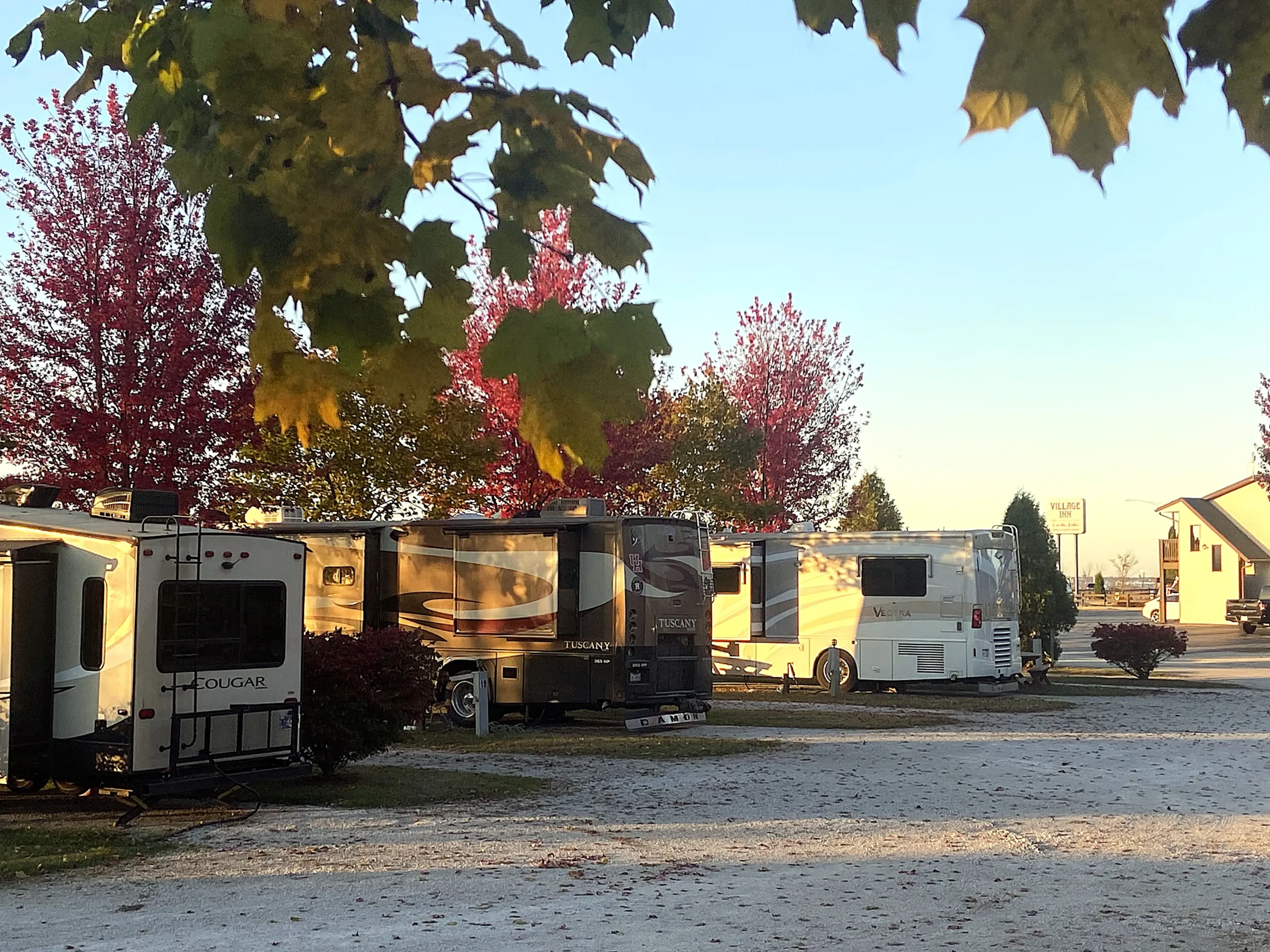
Inspections of campground and RV Park operations occur unannounced twice a year, in addition to complaint and follow-up inspections. An inspector may also choose to conduct additional inspections throughout the course of the year if they feel the operation needs extra guidance or monitoring.
Operations are inspected to ensure compliance with Ohio's campground laws and rules, including sanitation and safety requirements and the proper disposal of waste.
RV Park/Campground Inspection Reports

The Health Department licenses and inspects body art establishments including tattoo and body piercing facilities within the county to ensure compliance with Ohio’s Body Art Laws and Rules, including the artist being properly trained, the facility being clean and sanitary and the equipment in good repair.
Inspectors verify requirements for operator and artist training along with the use of equipment to eliminate the potential for bloodborne disease transmission.