
The sale of synthetic kratom products is banned within the City of Toledo due to the dangers associated with their use and accessibility.
What Is Kratom?
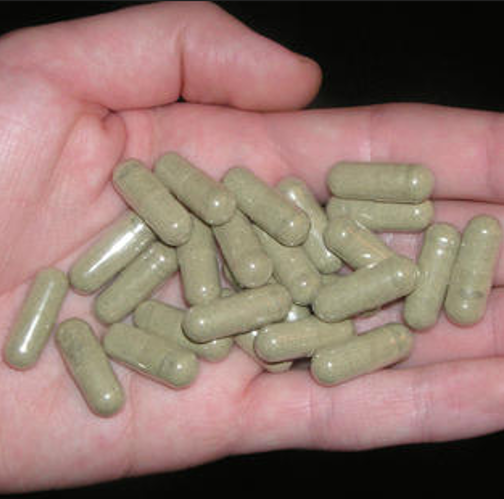
Kratom comes from a tropical tree native to Southeast Asia. Its leaves are used to make powders, pills, extracts, and other products. Some people use kratom to self-treat pain or opioid withdrawal. The U.S. Food and Drug Administration (FDA) has not approved kratom for any medical use. Its safety and effectiveness have not been established.
Why Kratom Is a Public Health Concern?
The FDA warns that kratom may cause serious adverse effects. These may include liver injury, seizures, and substance use disorder. Kratom interacts with the same brain receptors affected by opioids. These interactions may lead to sedation, slowed breathing, and the development of dependence.
Kratom products are often sold as supplements or herbal remedies, but the FDA has determined that kratom is not approved for use as a drug, dietary supplement, or food ingredient in the United States.
Locally, concerns have grown about kratom’s health risks and its availability in retail settings. In November 2025, Toledo City Council voted to ban the sale of synthetic kratom products within city limits due to the dangers associated with their use and accessibility.
Health Risks Linked to Kratom
Use of kratom can lead to several harmful effects. These may include:
- Nausea, vomiting, and appetite loss
- Sedation and slowed breathing
- Hallucinations, confusion, and agitation
- Seizures
- Liver toxicity
- Dependence and withdrawal symptoms, such as irritability, restlessness, or cravings
- Risks to infants exposed during pregnancy, including symptoms similar to neonatal abstinence syndrome
Kratom products may also be contaminated or mislabeled. This can increase the risk of adverse reactions.
Signs of Problem Use
You or someone you know may be experiencing problems with kratom if any of the following are present:
- Using more kratom than intended
- Difficulty stopping or reducing use
- Ongoing cravings
- Withdrawal symptoms
- Continued use despite health or life problems
- Using kratom with other substances
- Decline in physical or mental health
If these signs are present, professional support can help.
Immediate Assistance
- Call 911 in any emergency, including symptoms such as seizures or breathing difficulties.
- Call or text 988 for the Suicide and Crisis Lifeline.
- Contact Poison Control at 1-800-222-1222
Our Commitment to Community Health
The Toledo-Lucas County Health Department is committed to protecting residents from emerging health risks. Kratom may appear in stores as an herbal product, but it carries real dangers. Local legislation and public health actions are in place to reduce harm and keep the community safe.
If you or someone you know is struggling with kratom use, help is available. Early support can make a significant difference in health, safety, and recovery.
Crisis Support
 Zepf Center Crisis CARE Line
Call 419-904-CARE (2273) for 24/7 mental health and substance use crisis support.
Resources
CONNECT